Ask ten growers which they prefer and you will get ten different answers. Some swear by photoperiods for yield and control. Others will not go back to anything other than autos because the speed and simplicity changed how they grow. Both are right.
The question is not which is better. It's which one fits your actual situation.
How Feminized (Photoperiod) Seeds Work
Feminized seeds are photoperiod plants. They stay in vegetative growth as long as they receive 18 or more hours of light per day. When you drop to 12 hours of light, they shift into flower. This mimics the natural seasonal shift from summer into autumn.
The 'feminized' part means the seed is bred to produce only female plants. Without feminization, roughly half your seeds would produce male plants, which generate pollen rather than flowers and will pollinate females if you miss them.
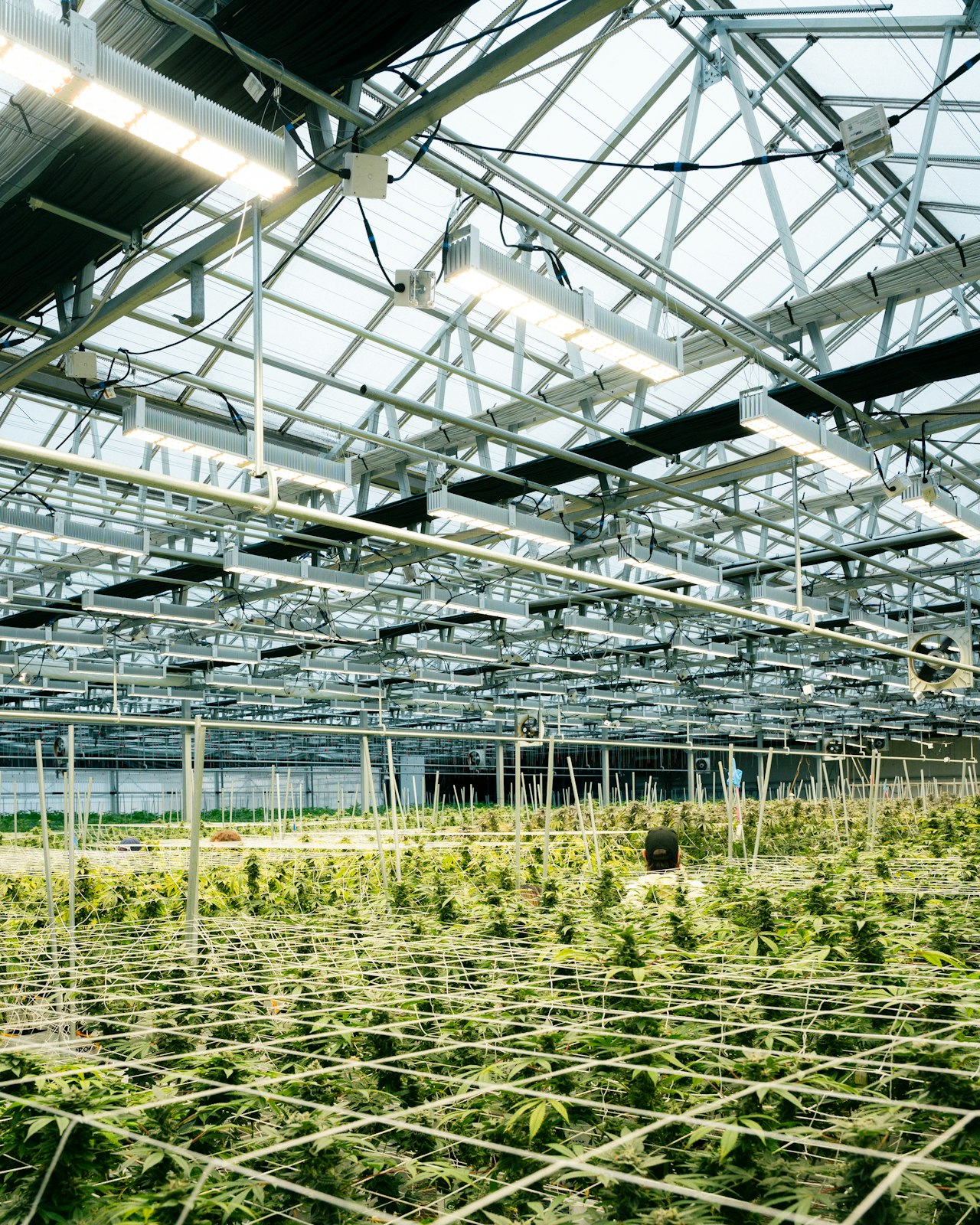
The light-schedule dependence gives you significant control. You can veg a plant for 4 weeks or 12 weeks, your choice. A longer veg period means a larger plant and, assuming adequate light coverage, a larger yield. This is why experienced growers using SCROG or other canopy management techniques often prefer photoperiods: the extended veg window lets them fill the net before flipping.
Pro Tip: Photoperiod plants can be revegged after harvest by extending light back to 18 hours. The plant pushes back into vegetative growth. The second harvest is usually smaller than the first, but it is a way to get multiple rounds from proven genetics without buying new seeds.
How Autoflowering Seeds Work
Autoflowers flower based on age, not light. They start flowering automatically around 3-5 weeks after germination, regardless of how many hours of light they receive per day.
They come from Cannabis ruderalis, a subspecies native to Central Asia and Eastern Europe. Ruderalis evolved in regions with short, unpredictable summers and cannot afford to wait for a specific light trigger. Modern autoflowers are hybrids of ruderalis with indica or sativa genetics, keeping the automatic flowering trait while inheriting the potency and flavor of their photoperiod parents.
The practical result: you can run lights at 18/6 or 20/4 for the entire lifecycle. No schedule change. No timing. Seed to harvest in 60-90 days. Multiple harvests per year outdoors in most US climates.
Most autos stay under 100cm. That makes them practical for balcony grows, small tents, and situations where vertical space is limited. [verify before publishing: top-shelf autoflower genetics from established breeders now regularly test at 20-25% THC -- the potency gap with photoperiods is largely a reputation from a decade ago]
Heads Up: Autoflowers cannot be revegged, and training timing is critical. You have a shorter window before they lock into flower. Most experienced autoflower growers limit training to gentle LST and avoid heavy topping after week 3.
Feminized vs. Autoflower: Side-by-Side
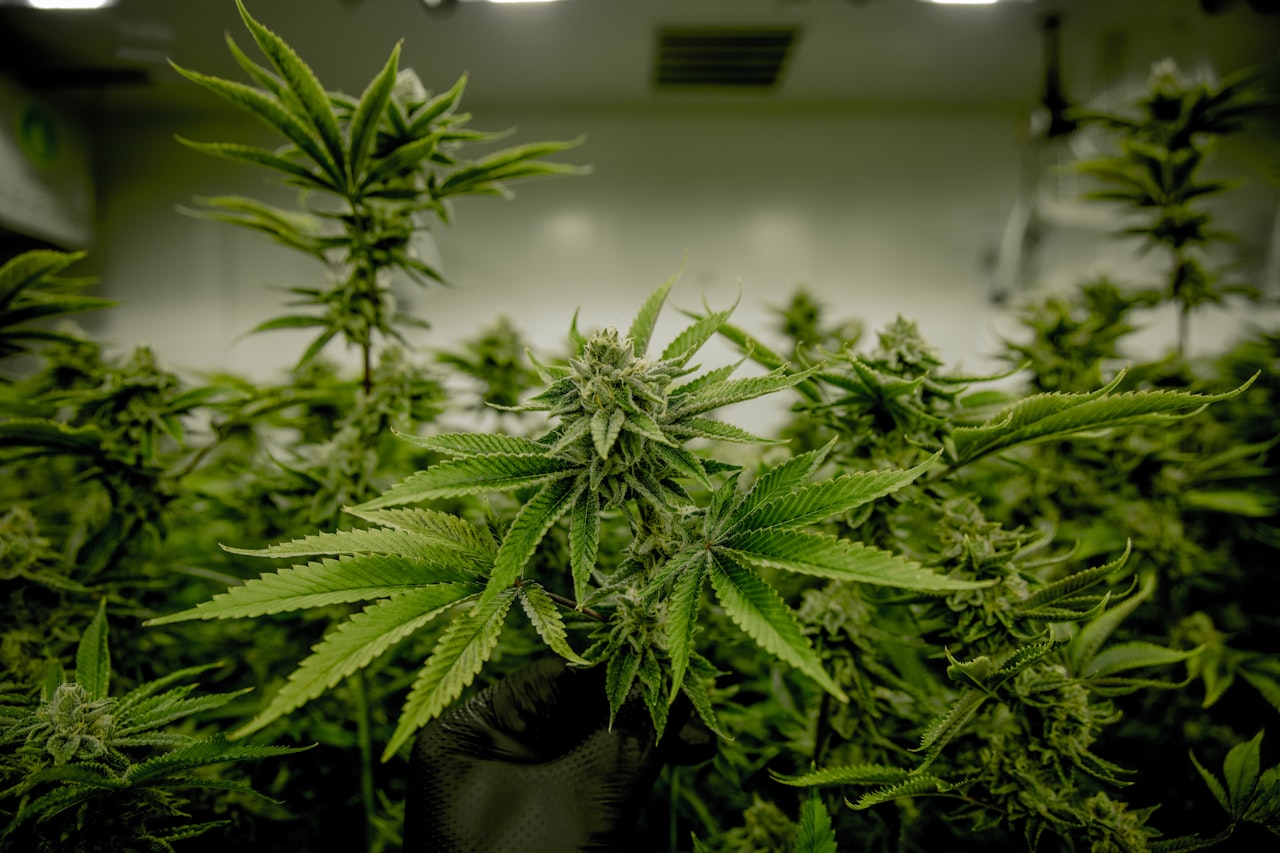
The core trade-off is speed and simplicity (autoflower) against yield potential and flexibility (feminized). Neither is objectively better. They suit different setups.
| Factor | Feminized (Photoperiod) | Autoflower |
|---|---|---|
| Flowering trigger | Light change to 12/12 | Automatic (age-based) |
| Typical seed-to-harvest | 4-6 months | 60-90 days |
| Yield per plant | Higher | Moderate |
| Plant height | Variable -- trainable to most sizes | Compact, usually under 100cm |
| Light schedule | 18/6 veg, 12/12 flower | Single schedule throughout |
| Training flexibility | High | Moderate -- shorter time window |
| Best outdoor climate | Temperate with long summer | Any climate, multiple harvests possible |
| Beginner-friendliness | Moderate | High |
| Can be cloned? | Yes | Technically yes, impractical |
| Reveg possible? | Yes | No |
Which Type Should You Grow First?
Most beginners get better results starting with autoflowers. They are faster, more forgiving, and remove the light-schedule variable from an already steep learning curve.
- First grow: autoflower. Reduced complexity, shorter cycle, forgiving of beginner watering and nutrient mistakes. You get to harvest faster and learn what you need without committing 5 months to a failed photoperiod grow.
- Previous experience, want more yield: feminized photoperiod. The ability to veg as long as you need, train the canopy properly, and flip on your schedule leads to larger plants and heavier harvests.
- Multiple outdoor harvests per season: autoflower. You can run 2-3 full cycles outdoors in most continental US climates between last frost and first frost.
- Limited vertical space: autoflower. A compact auto in a 1-gallon pot under a 100W light in a closet is a realistic grow. A photoperiod plant in the same space would need significant management.
Can You Grow Both at the Same Time?
Yes, but you will need separate light schedules, which typically means separate grow spaces. The timing conflict makes combining them in one tent impractical for most home setups.
Autoflowers thrive at 18/6 or 20/4 throughout. Feminized plants need to drop to 12/12 to flower. If you flip a tent to 12/12 for your photoperiods, your autos will flower too -- but in reduced light hours, which cuts yield. Some growers accept that trade-off. Most do not.
The cleanest approach: a separate small space for autos while the main tent runs a photoperiod cycle. Or stagger them so the autos are finishing as the photoperiods flip. You get your auto harvest first, then the photoperiod harvest follows.
From the Trenches: Running autos and photos together works best when the autos are near harvest while the photos are still in late veg. You get your auto harvest, then flip the tent. No light conflict, no compromises on either side.
The Answer Depends on Your Setup, Not on a Forum Vote
Autoflowers are the right call when speed, simplicity, and space constraints matter more than maximum yield per plant. Feminized photoperiods are the right call when yield potential, canopy management, and access to the full range of genetics are the priority.
Browse autoflowering strains and feminized strains at Gold Hill. If you are not sure which type fits your setup, the strain finder asks a few questions and points you in the right direction.