Every year, growers make the same mistake. They buy the award-winner, the strain with 10,000 Reddit upvotes, the genetics their friend swears by. Then they spend three months fighting a plant that was bred for a different setup, a different climate, a different grower.
The seed that fits your actual situation will almost always outperform the best strain you are not equipped to handle. That's the thing nobody puts on the product page.
Start With Your Growing Environment
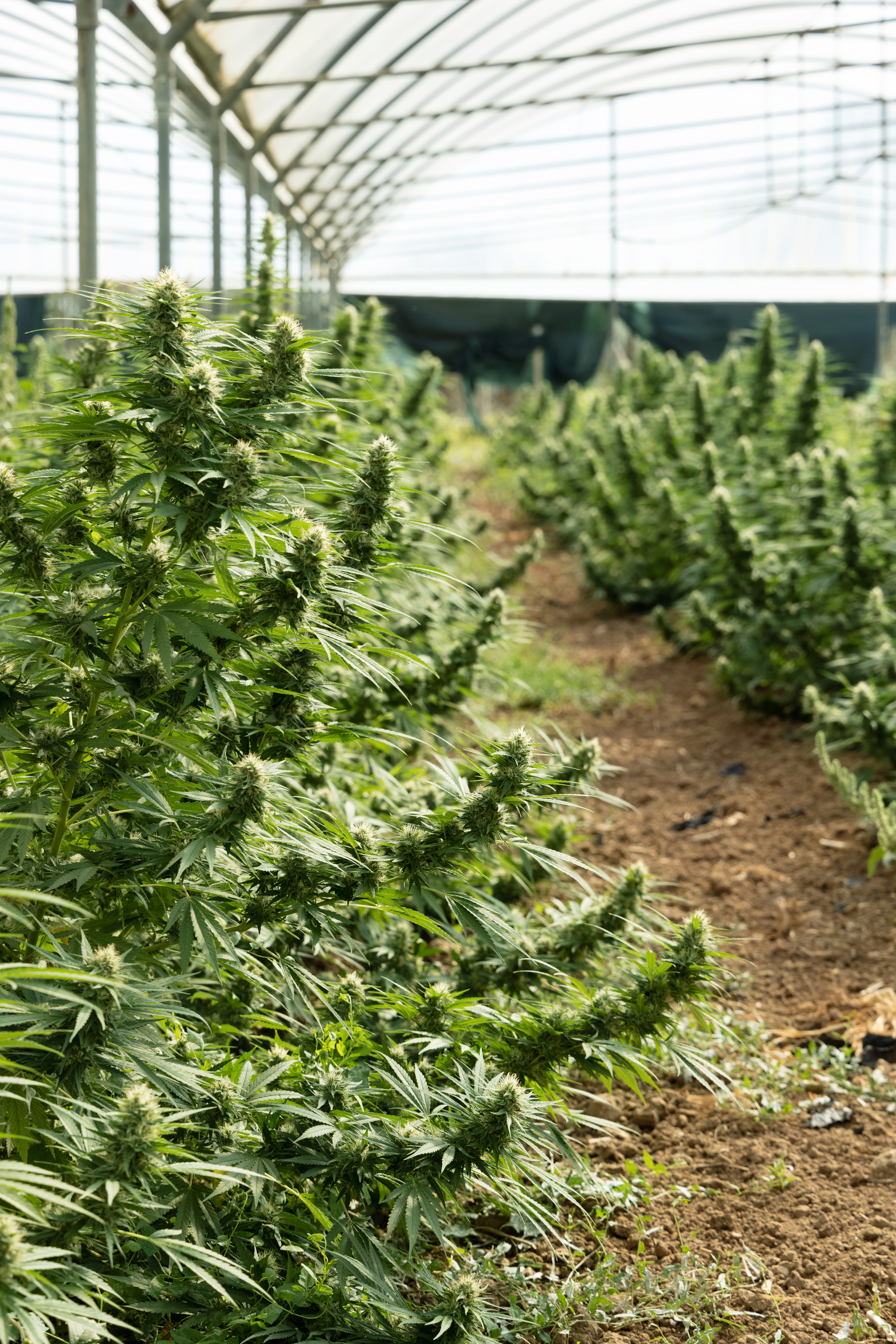
Your environment is the single biggest factor in which seeds will work for you. A strain built for hot, dry outdoor summers will underperform in a 4x4 tent. A sprawling sativa hybrid will take over a small grow room in weeks.
Indoor growers control light, temperature, and humidity, which opens up a wide range of options. But space is the real limit. Pay attention to the strain's listed height and expected stretch. Sativa-dominant genetics and many photoperiod hybrids can double in height during the first few weeks of flower. A strain listed at 100-150cm can hit 200cm+ indoors if you are not training aggressively.
Outdoor growers have to work with their local climate. If you are in a region with a short summer, early-finishing and autoflowering genetics are close to mandatory. A strain needing 10-12 weeks of flower will not finish before your first frost in most northern US states.
Pro Tip: If you grow in a humid climate or one prone to late-summer rain, look specifically for strains noted as mold-resistant or with compact, airy bud structure that dries quickly. Several breeders in the Gold Hill catalog -- including Exotic Genetix and Ethos Genetics -- breed for environmental resilience alongside potency.
Feminized, Autoflower, or Regular: Which Type Fits Your Grow?
The three main seed categories have different trade-offs around yield, timing, simplicity, and control. Most home growers start with feminized or autoflowering seeds for good reason.
| Feminized | Autoflower | Regular | |
|---|---|---|---|
| Flowering trigger | Light change to 12/12 | Automatic (age-based) | Light change to 12/12 |
| Seed-to-harvest | 4-6 months | 60-90 days | 4-7 months |
| Yield per plant | High | Moderate | High |
| Difficulty | Beginner to advanced | Beginner-friendly | Intermediate to advanced |
| Male plant risk | None | None | ~50% of plants |
| Best for | Most home growers | Speed, small spaces, multiple harvests | Breeders, preservation |
Feminized seeds are bred to produce only female plants -- the ones that grow the resinous flowers. No male plants means no accidental pollination and no wasted space. They require a light schedule change from 18/6 (vegetative) to 12/12 (flowering) to trigger blooming.
Autoflowering seeds flower based on age, not light. They descended from Cannabis ruderalis, a subspecies from Central and Eastern Europe that evolved to flower fast in short summers. Modern autoflowers finish in 60-90 days and need no light schedule change. They stay compact -- usually under 100cm -- and are forgiving of beginner mistakes.
Regular seeds produce roughly equal numbers of male and female plants. They are the choice for breeders, for making crosses, and for growers working with rare genetics not available in feminized form. For most home cultivators growing for their own harvest, feminized or autoflower is the practical starting point.
Heads Up: Autoflowers flower on their own schedule and you cannot slow them down. If you plan to use heavy training techniques like topping or hard defoliation, timing matters much more than with photoperiod plants. Most experienced autoflower growers top around day 18-20 and keep further stress light.
Does the Strain Match Your Experience Level?
Every strain listing has a difficulty rating. Some genetics thrive even when you make mistakes with nutrients, watering, or environment. Others are demanding from day one.
Beginner-friendly strains -- Northern Lights, Blue Dream, most autoflowers, many indica-dominant hybrids -- tolerate a range of conditions and forgive minor errors. They do not need perfect pH every feeding. They will not spiral if you are off on nutrients for a few days.
Expert-tier genetics -- rare landrace phenotypes, some connoisseur-grade hybrids, particularly demanding sativas -- can be spectacular when grown correctly. But they need consistent, precise conditions. If you are not set up for that yet, the strain will disappoint. You will assume the seeds were bad. Most of the time, the setup was wrong for the genetics.
Gold Hill's yield calculator lets you model expected output based on your experience level, environment, and setup before you buy. Worth running if you are on the fence between two strains.
What Do You Actually Want From This Grow?
Different goals lead to different strain choices. High THC, a CBD ratio, maximum yield, and specific flavor profiles are all possible. Just not usually from the same strain.
- For potency: Look at the strain's listed THC percentage and the effect profile. Sativa-dominant genetics tend toward energetic, cerebral effects. Indica-dominant toward body relaxation. Most modern hybrids sit in between.
- For medicinal use: High-CBD strains with a balanced CBD-to-THC ratio are bred specifically for therapeutic purposes. Many are explicitly labeled. Some growers managing pain, anxiety, or sleep issues prefer a 1:1 or CBD-dominant variety.
- For yield: The strain's grams-per-watt or grams-per-square-meter figures matter here. Combine high-yield genetics with training techniques like LST or SCROG and you will get significantly more out of the same space.
- For flavor and aroma: Terpene profile data is increasingly available on quality strain listings. Myrcene-heavy strains tend toward earthy and musky; limonene toward citrus; pinene toward fresh pine. If flavor is the goal, this data matters more than THC percentage.
Expert Tip: Do not chase the highest THC number. A 28% THC strain grown in a suboptimal setup will likely underperform a well-grown 22% strain in terms of actual effect. Genetics are one variable. Growing conditions set the ceiling.
How to Read Strain Specs Before You Buy
Strain listings pack a lot of data into a small space. Knowing what each field actually means saves you from buying genetics that do not fit your setup.
- Flowering time: Listed in weeks. Outdoor growers should count back from their first frost date. If your first frost is late September and a strain needs 10 weeks of flower, your light-flip date needs to be mid-July at the latest.
- Yield range: Given as g/m2 (indoors) or g/plant (outdoors). These are numbers achieved under optimal conditions. Real-world results are typically 60-80% of the listed maximum for most setups.
- Difficulty: Easy, Moderate, Advanced, Expert. Most reputable breeders rate this honestly because a grower who buys the wrong difficulty ends up disappointed and does not come back.
- Breeder: Matters for consistency. Established breeders test and stabilize genetics before release. Less-established operations may sell more variable stock.
Gold Hill carries 1,400+ strains across 40+ breeders. The strain finder helps narrow the catalog based on your goals and setup in a few minutes.
The Seed That Wins Is the One You Can Actually Grow
Not the most hyped. Not the most expensive. Not the one with the biggest theoretical yield on someone else's setup.
Pick for your environment first. Then for difficulty. Then for what you want out of the harvest. The catalog is there to support that decision.
Use the Gold Hill strain finder to filter by type, effect, and experience level. Or browse the full catalog at all seeds if you want to dig in yourself.