
Outdoor Grow Guide
Best Cannabis Seeds for Outdoor Growing in Utah
Your growing season is 164 days. Last frost: May 1. First frost: Oct 12. Here are the strains that will actually finish in time.
Find My StrainsExtreme summer heat stresses cannabis. Provide afternoon shade, choose heat-tolerant genetics rated 4–5, and time germination to avoid peak July/August stress on sensitive strains.
Matched Strains
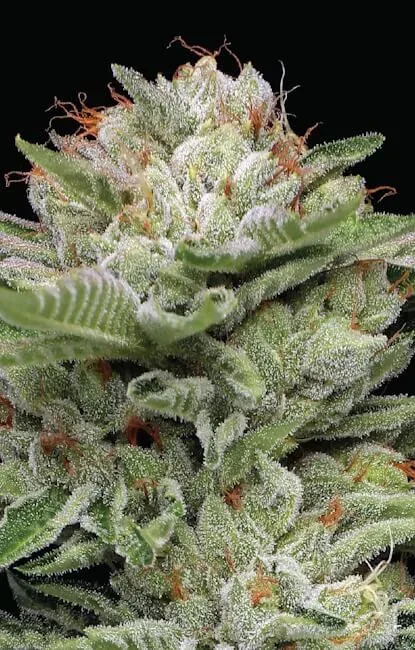
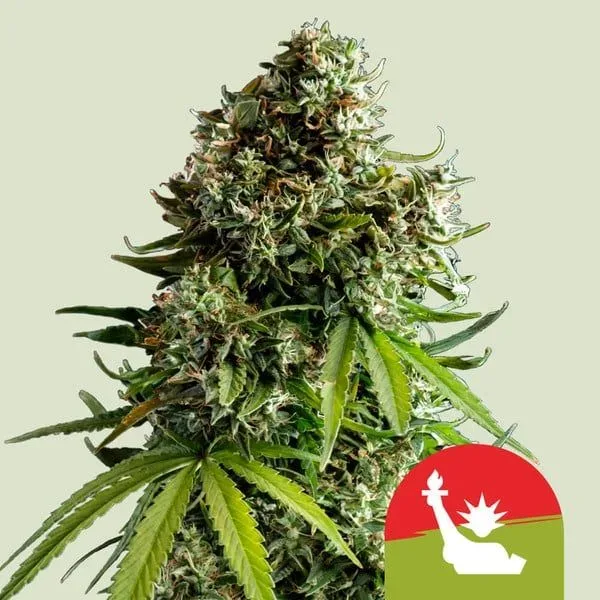
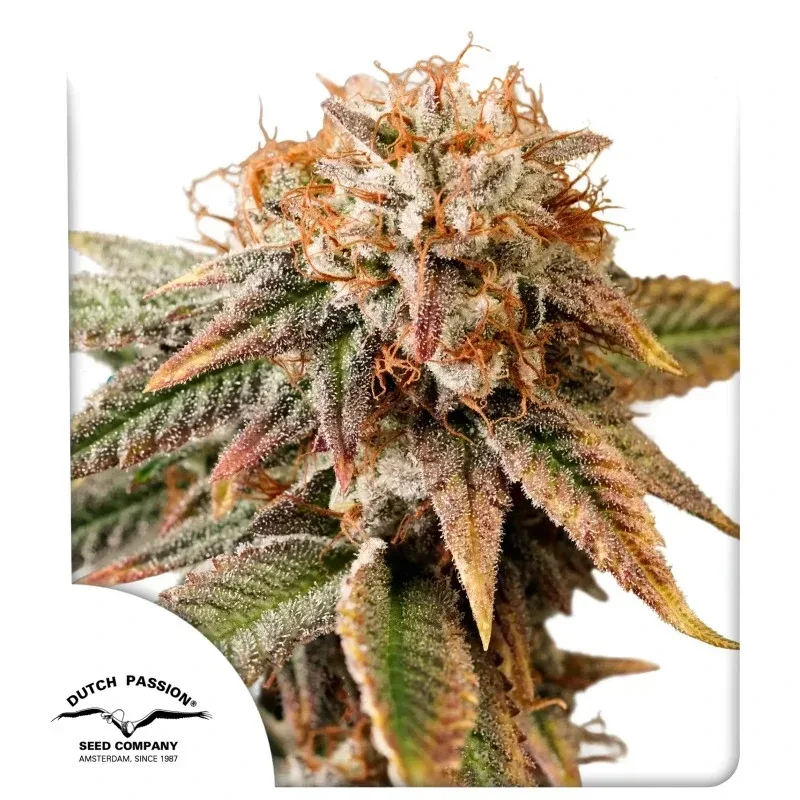
Top Strains for Utah
Season Timeline
Utah Grow Calendar
Get your Utah grow calendar emailed to you
Plus seasonal reminders for germination, transplant, and harvest dates. Four emails a year, perfectly timed for your zone.
Common Questions
Utah Outdoor Growing FAQ
Utah's climate is forgiving in some ways, brutal in others
Utah sits in USDA hardiness zone 6a (ranging 3a-7a across the state) with an average growing season of 164 days — from last frost around May 1 to first frost around Oct 12. Mountain growers face intense UV, cool nights, and unpredictable early frosts at elevation.
The primary constraint for outdoor cannabis growers in Utah is summer heat. Average July highs reach 95°F, which can slow growth, reduce potency, and stress plants at the peak of their development.
Extreme summer heat stresses cannabis. Provide afternoon shade, choose heat-tolerant genetics rated 4–5, and time germination to avoid peak July/August stress on sensitive strains.
The 3 challenges specific to Utah growers
- Altitude-driven cold nights: Even in July, nights above 7,000 feet can drop below 45°F. Cold nights slow growth and can stress flower development. Grow at lower elevation where possible, or use season extenders (low tunnels, row cover) at altitude.
- Intense UV exposure: High-altitude UV is significantly stronger than at sea level. This is a double-edged sword — UV stimulates trichome and terpene production, but it can also stress less-adapted genetics. Sativa-dominant or UV-acclimated strains perform well.
- Short season variability: Mountain weather is notoriously unpredictable. An early September snowstorm can end a grow overnight. Always have harvest-ready supplies on hand and plan to harvest at peak, not 'when it's done.'
When to start in Utah
The Utah outdoor season follows a predictable rhythm tied to frost dates:
- Germinate indoors: Around Apr 1 — 30 days before last frost. This gives seedlings time to establish before facing outdoor conditions.
- Transplant outdoors: Around May 8, one week after the average last frost passes. Wait for consistent overnight lows above 50°F.
- Vegetative growth: Plants grow vigorously from transplant through mid-July under long summer days (up to 14.8h at solstice).
- Flower trigger: Around July 21, declining day length naturally initiates flowering in photoperiod strains.
- Harvest window: Strain-dependent, but target completion by Sep 28 — 14 days before average first frost — to avoid late-season stress.
Outdoor vs greenhouse in Utah
Outdoor growing without season extension is perfectly viable in Utah for most strains. A simple hoophouse or cold frame can add 2–3 weeks to your season at either end, which opens up longer-flowering photoperiods that wouldn't reliably finish without it. If you're growing late-finishing genetics, a basic season extender is a worthwhile investment.
Legal status of home growing in Utah
Home growing laws vary significantly by state and change frequently. Before growing cannabis outdoors in Utah, verify the current regulations for your county. Many states that have legalized adult use cannabis still prohibit or limit home cultivation. Always grow within the law — check your state's official cannabis regulatory agency for current rules.
Managing extreme heat in Utah
Cannabis shows heat stress symptoms — upward leaf curling, bleached calyxes, airy bud structure — when temperatures consistently exceed 85–90°F. In Utah, this is a regular summer condition. The most effective mitigation is timing: get plants established in March or April so they enter the hottest months as large, established plants with deep root systems capable of managing thermal stress.
30–50% shade cloth over the afternoon canopy reduces effective temperature by 10–15°F. Deep, infrequent watering encourages root depth, which accesses cooler soil and improves drought resilience. Strains with South African, equatorial, or desert-adapted genetics in their lineage (Durban Poison, Acapulco Gold, landrace sativas) carry natural heat tolerance that most modern hybrids do not.