
Outdoor Grow Guide
Best Cannabis Seeds for Outdoor Growing in Vermont
Your growing season is 142 days. Last frost: May 15. First frost: Oct 4. Here are the strains that will actually finish in time.
Find My StrainsTemperate climate suits a wide range of strains. Focus on matching strain finish time to your frost dates and monitor late-September humidity closely for early signs of mold.
Matched Strains
Top Strains for Vermont
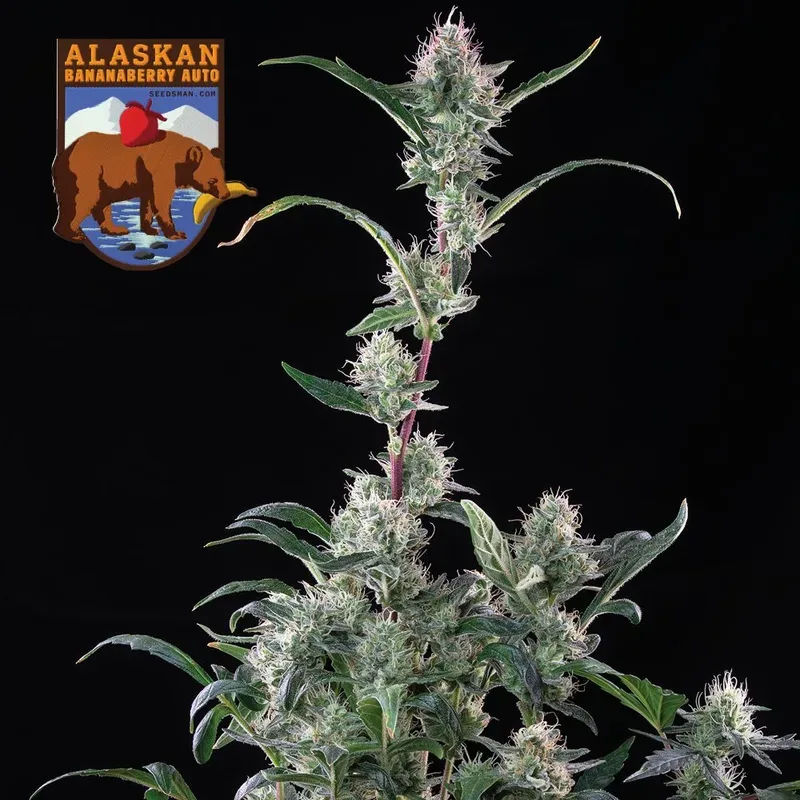
Alaskan Bananaberry Auto Feminised Seeds
Seedsman
Short auto cycle finishes well before frost in northern New England; cool temps will bring out purple coloration.
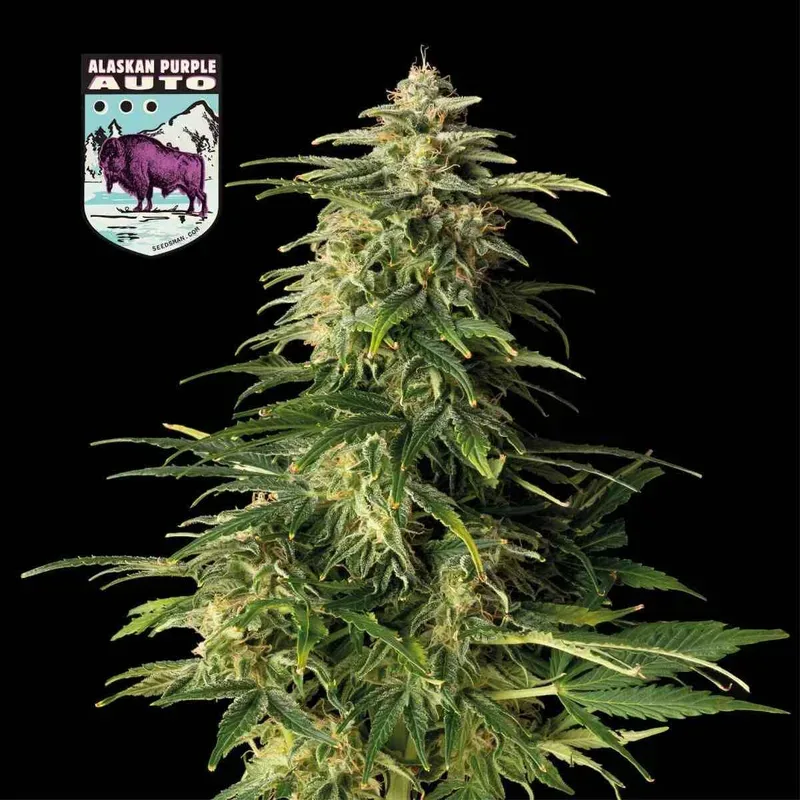
Alaskan Purple Auto Feminised Seeds
Seedsman
Cold-tolerant autoflower well-suited to short New England season; finishes before first frost when planted late May/early June.
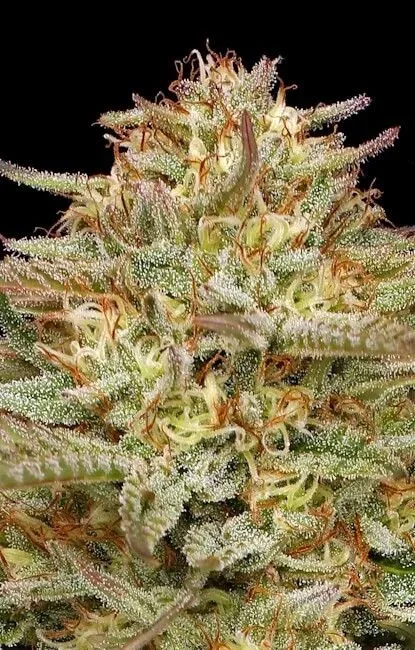
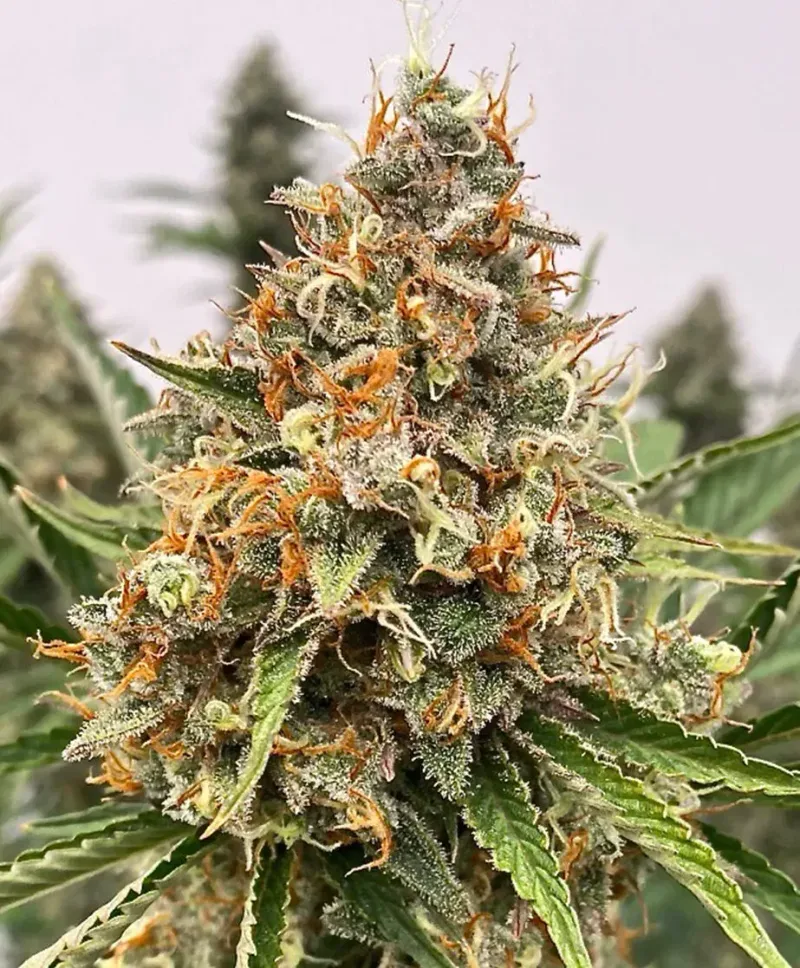
Orange Creampop Feminised Seeds
Humboldt Seed Co.
Successfully sungrown at South Hero VT; tested at ~24% THC. Fast 50-55 day flowering suits temperate season timing.
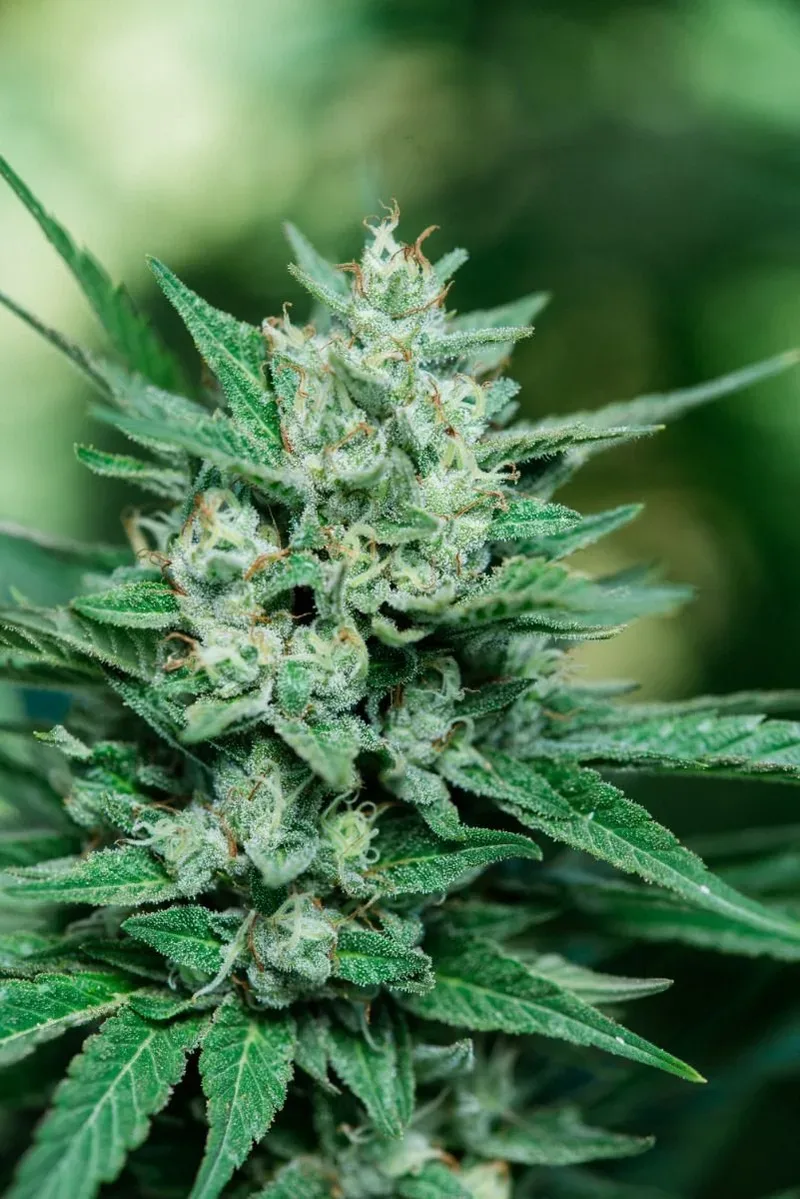
Season Timeline
Vermont Grow Calendar
Get your Vermont grow calendar emailed to you
Plus seasonal reminders for germination, transplant, and harvest dates. Four emails a year, perfectly timed for your zone.
Common Questions
Vermont Outdoor Growing FAQ
Vermont's climate is forgiving in some ways, brutal in others
Vermont sits in USDA hardiness zone 5a (ranging 3b-5b across the state) with an average growing season of 142 days — from last frost around May 15 to first frost around Oct 4. New England and Mid-Atlantic states share a humid continental climate with distinct seasons.
The primary constraint for outdoor cannabis growers in Vermont is matching strain finish time to the frost window. With 142 days, you have room for most strains — but selecting genetics that finish comfortably before Oct 4 is still the difference between success and a crop cut short.
The 3 challenges specific to Vermont growers
- Short or variable season: Frost can arrive earlier than averages suggest. A cold September snap can wipe out a crop in its final weeks. Always choose strains that finish at least 2 weeks before your average first frost date.
- Late-season humidity: September and October in the Northeast bring elevated humidity. Dense indica buds are especially vulnerable to botrytis (bud rot). Space plants for airflow and inspect daily in the final weeks.
- Spring timing pressure: The urge to transplant early after a warm April day is real — resist it. A late May frost is common across much of the Northeast. Wait until your last frost date passes before outdoor transplant.
When to start in Vermont
The Vermont outdoor season follows a predictable rhythm tied to frost dates:
- Germinate indoors: Around Apr 15 — 30 days before last frost. This gives seedlings time to establish before facing outdoor conditions.
- Transplant outdoors: Around May 22, one week after the average last frost passes. Wait for consistent overnight lows above 50°F.
- Vegetative growth: Plants grow vigorously from transplant through mid-July under long summer days (up to 15.3h at solstice).
- Flower trigger: Around July 21, declining day length naturally initiates flowering in photoperiod strains.
- Harvest window: Strain-dependent, but target completion by Sep 20 — 14 days before average first frost — to avoid late-season stress.
Outdoor vs greenhouse in Vermont
Outdoor growing without season extension is perfectly viable in Vermont for most strains. A simple hoophouse or cold frame can add 2–3 weeks to your season at either end, which opens up longer-flowering photoperiods that wouldn't reliably finish without it. If you're growing late-finishing genetics, a basic season extender is a worthwhile investment.
Legal status of home growing in Vermont
Home growing laws vary significantly by state and change frequently. Before growing cannabis outdoors in Vermont, verify the current regulations for your county. Many states that have legalized adult use cannabis still prohibit or limit home cultivation. Always grow within the law — check your state's official cannabis regulatory agency for current rules.