
Outdoor Grow Guide
Best Cannabis Seeds for Outdoor Growing in North Dakota
Your growing season is 123 days. Last frost: May 25. First frost: Sep 25. Here are the strains that will actually finish in time.
Find My StrainsShort season demands fast-finishing genetics. Photoperiods with 11+ weeks of flower will not finish before frost. Bias toward autoflowers and fast-version photos — they are not optional here.
Matched Strains
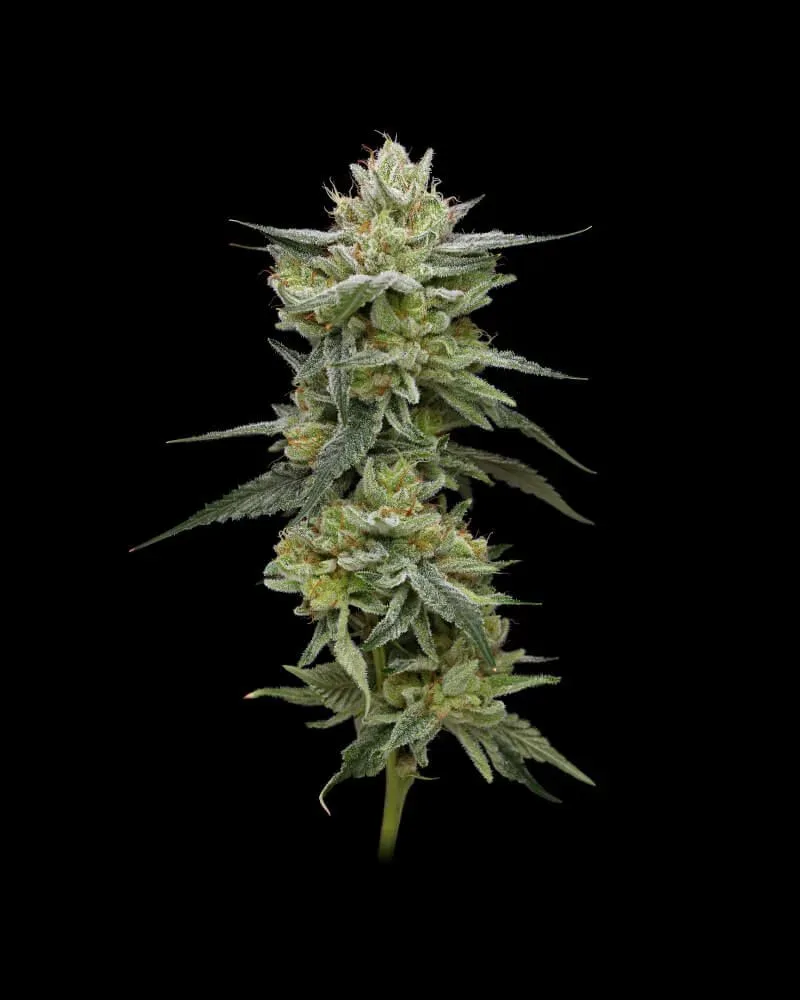
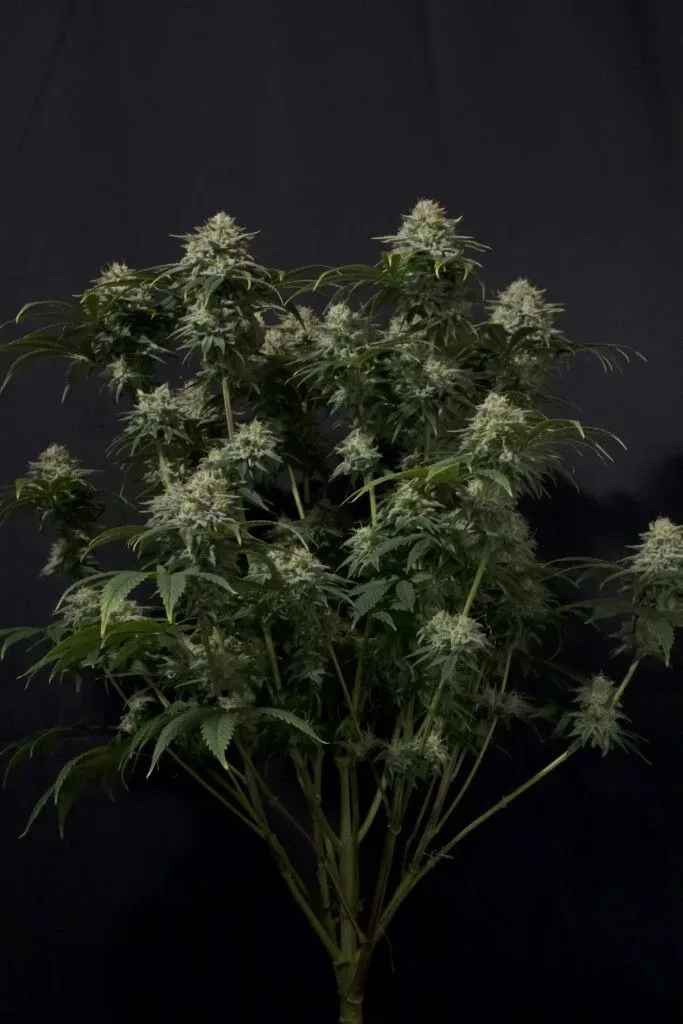
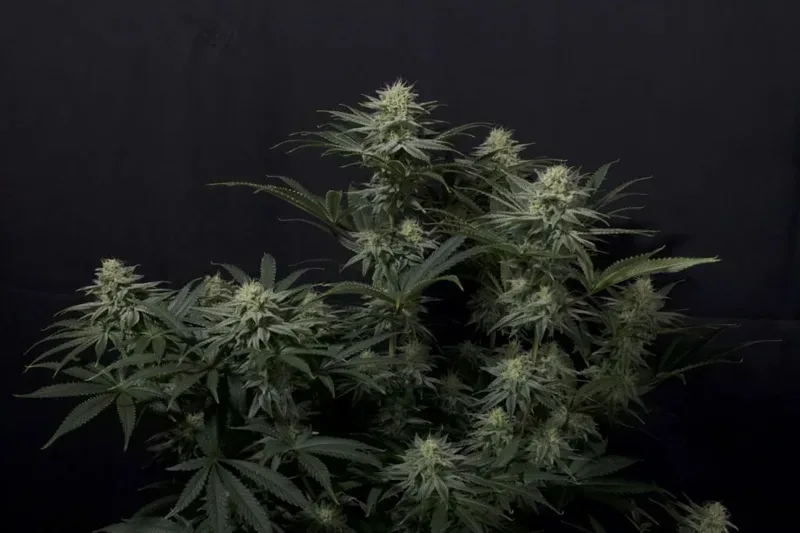
Top Strains for North Dakota
Season Timeline
North Dakota Grow Calendar
Get your North Dakota grow calendar emailed to you
Plus seasonal reminders for germination, transplant, and harvest dates. Four emails a year, perfectly timed for your zone.
Common Questions
North Dakota Outdoor Growing FAQ
North Dakota's climate is forgiving in some ways, brutal in others
North Dakota sits in USDA hardiness zone 3a (ranging 2a-4b across the state) with an average growing season of 123 days — from last frost around May 25 to first frost around Sep 25. Midwest growers deal with the widest temperature swings — blazing summers and early-autumn cold fronts.
The primary constraint for outdoor cannabis growers in North Dakota is season length. At 123 days, only strains that finish quickly can reliably complete before the first autumn frost.
Short season demands fast-finishing genetics. Photoperiods with 11+ weeks of flower will not finish before frost. Bias toward autoflowers and fast-version photos — they are not optional here.
The 3 challenges specific to North Dakota growers
- Unpredictable spring cold snaps: A warm March can tempt early starts, but the Midwest regularly sees hard frosts through May. Start seeds indoors and wait for stable nighttime temperatures before transplanting.
- Late-summer thunderstorms: Severe thunderstorms and hail are a genuine risk from June through August. Caging plants and using windbreaks reduces physical damage. Heavy rains also raise late-season humidity and bud rot risk.
- Variable season length by latitude: Illinois growers have a 190-day season; Minnesota growers have barely 134. Check your specific county's frost dates, not just state averages — elevation and proximity to large lakes matter significantly.
When to start in North Dakota
The North Dakota outdoor season follows a predictable rhythm tied to frost dates:
- Germinate indoors: Around Apr 25 — 30 days before last frost. This gives seedlings time to establish before facing outdoor conditions.
- Transplant outdoors: Around Jun 1, one week after the average last frost passes. Wait for consistent overnight lows above 50°F.
- Vegetative growth: Plants grow vigorously from transplant through mid-July under long summer days (up to 15.8h at solstice).
- Flower trigger: Around July 21, declining day length naturally initiates flowering in photoperiod strains.
- Harvest window: Strain-dependent, but target completion by Sep 11 — 14 days before average first frost — to avoid late-season stress.
With only 123 days of frost-free growing, autoflowers are the most reliable path to a full outdoor harvest in North Dakota. Germinate autoflowers from late April through June for continuous summer harvests without worrying about frost timing.
Outdoor vs greenhouse in North Dakota
In North Dakota, a greenhouse or hoophouse is strongly recommended for any photoperiod strain. The 123-day growing season leaves almost no margin for error with outdoor photos. Even simple low tunnels add 2–4 weeks to your effective season by capturing daytime heat and protecting against early frost. Autoflowers are the practical choice for pure outdoor growing without any season extension.
Legal status of home growing in North Dakota
Home growing laws vary significantly by state and change frequently. Before growing cannabis outdoors in North Dakota, verify the current regulations for your county. Many states that have legalized adult use cannabis still prohibit or limit home cultivation. Always grow within the law — check your state's official cannabis regulatory agency for current rules.
Maximizing a short season in North Dakota
Experienced North Dakota growers use several techniques to push the season. Low tunnels made from simple PVC hoops and 6-mil poly film can add 3–4 weeks at both ends of the season by capturing daytime heat and blocking overnight frost. Black fabric pots absorb heat and warm the root zone faster in spring. Starting seeds indoors 4–6 weeks before transplant gives plants a significant size advantage when they go outdoors.
Strain selection is the single biggest lever. An autoflower finishing in 65–75 days from germination can yield a full harvest even in North Dakota's compressed window. Fast-version photoperiods — genetics that flower faster than their original parent while retaining the same potency — are the second best option for growers who prefer photo genetics.