
Outdoor Grow Guide
Best Cannabis Seeds for Outdoor Growing in Michigan
Your growing season is 158 days. Last frost: May 10. First frost: Oct 15. Here are the strains that will actually finish in time.
Find My StrainsVariable continental climate with reliable warm summers. Match strain length to your season and prepare for spring cold snaps and autumn weather swings.
Matched Strains
Top Strains for Michigan
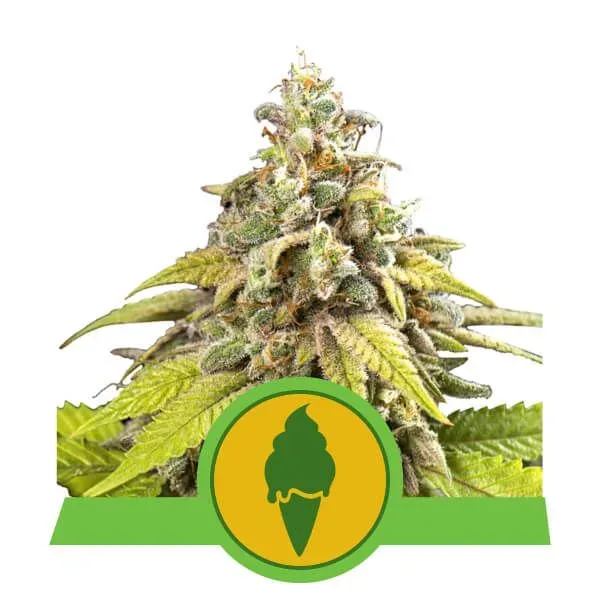
Green Gelato Auto Feminised Seeds
Royal Queen Seeds
Possible but humidity management critical; indoor preferred in humid regions
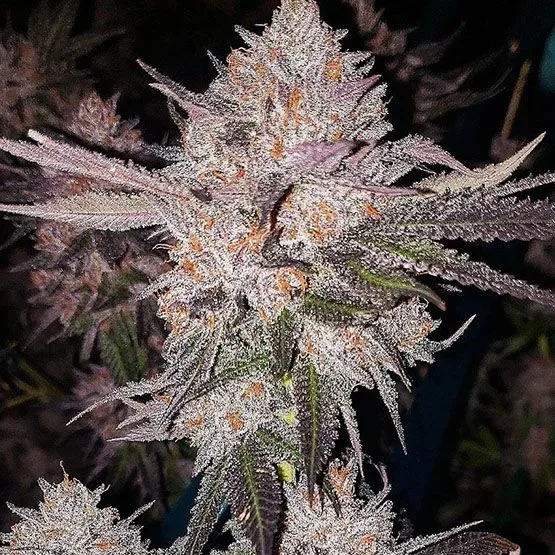
OG Kush Auto Feminized Seeds
Ethos Genetics
Suitable for cooler climates with 40-50°F night temperatures; 70-80 day seed-to-harvest timeline
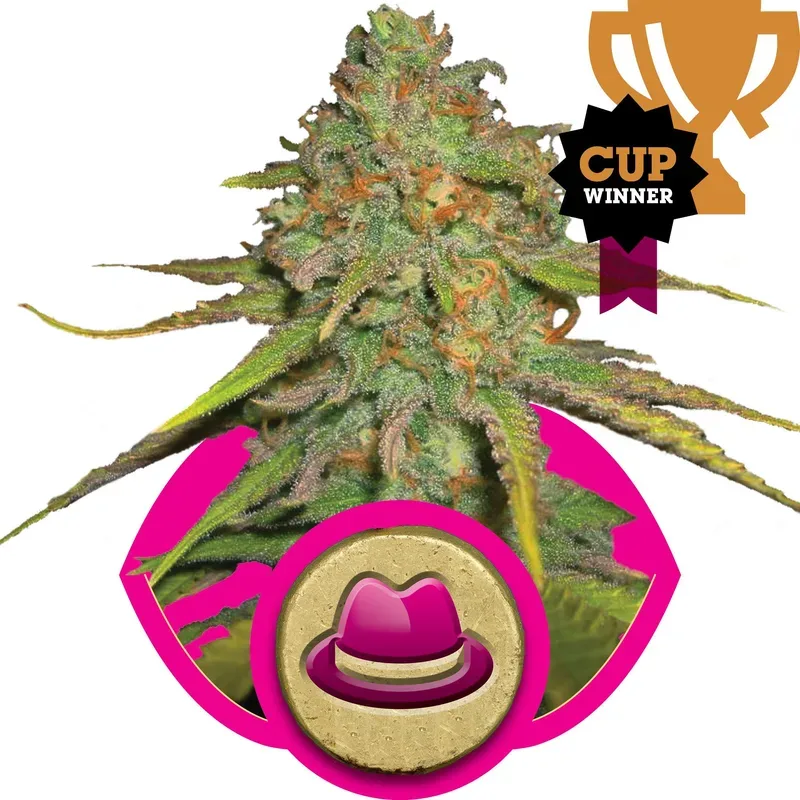
O.G. Kush Feminised Seeds
Royal Queen Seeds
User reported difficulty finishing outdoors (cooler/wetter climate, late September still not flowering)
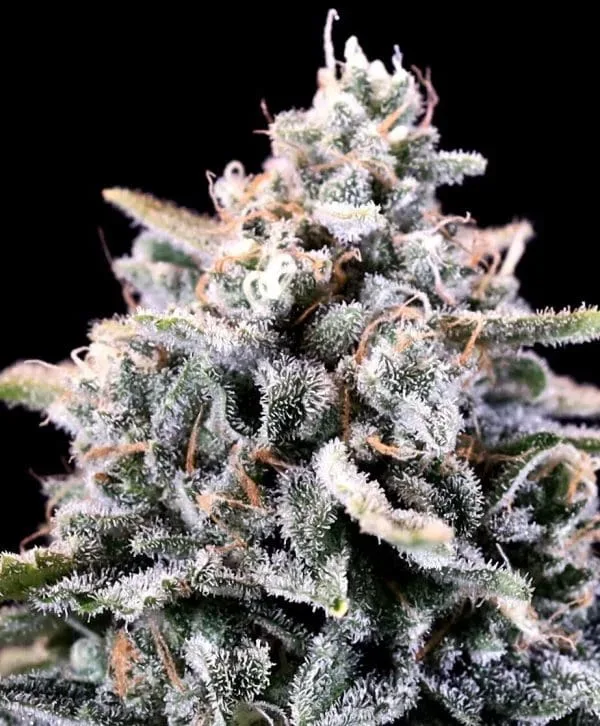
Laundry List Feminized Seeds
Atlas Seed
Fall rains mid-September through October pose mold risk; photoperiod strains require full flowering window
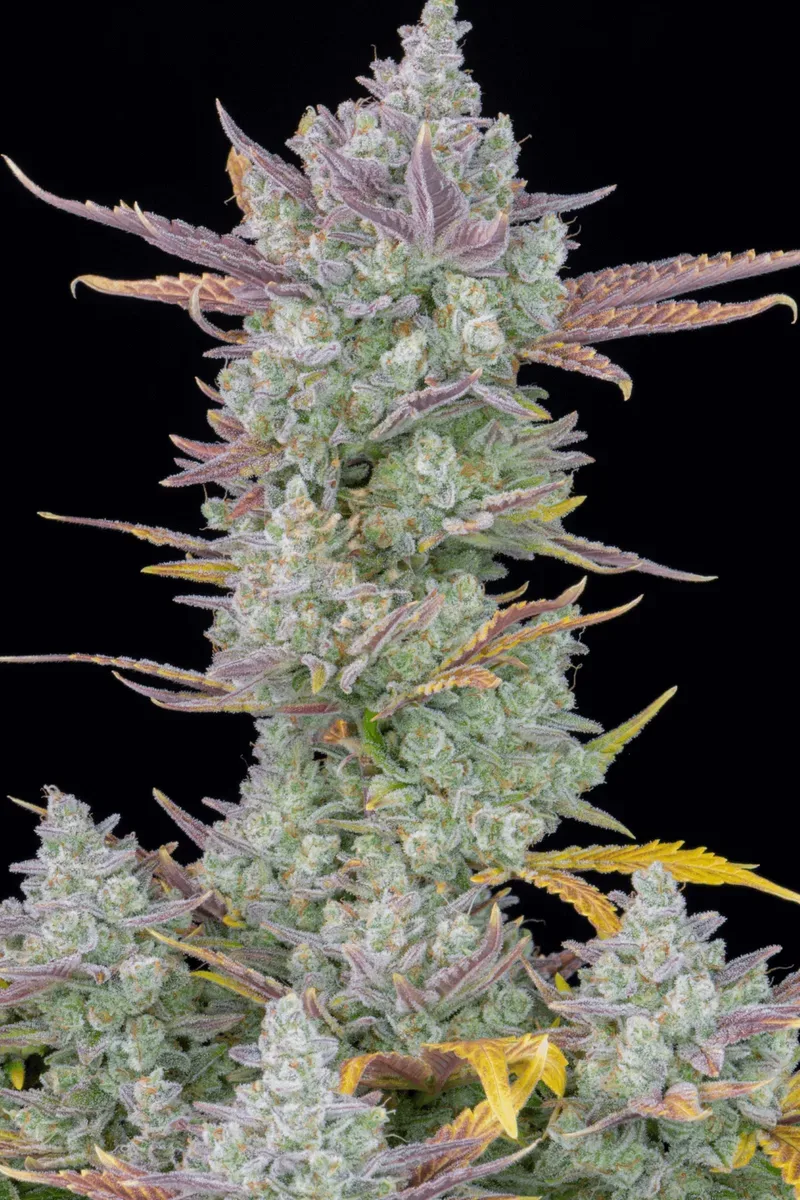
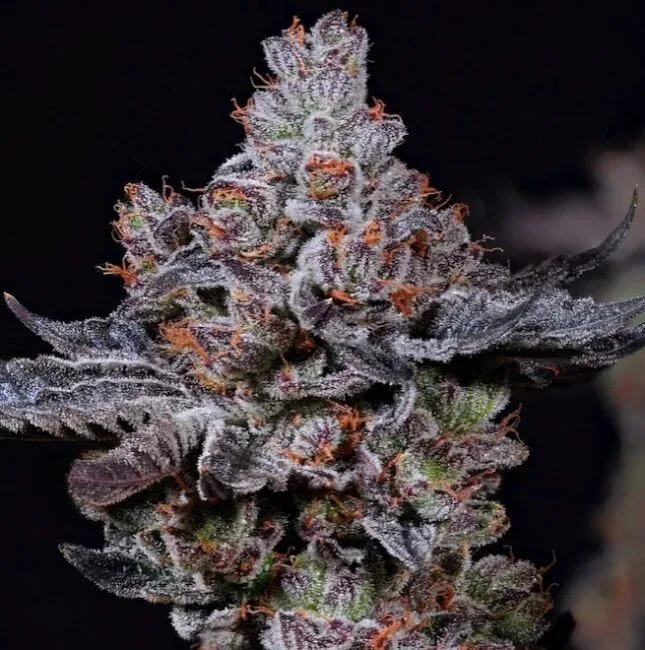
Mookie B R1 Feminized Seeds
Ethos Genetics
Hybrid effects and bag appeal noted as successful in Midwest grows
Season Timeline
Michigan Grow Calendar
Get your Michigan grow calendar emailed to you
Plus seasonal reminders for germination, transplant, and harvest dates. Four emails a year, perfectly timed for your zone.
Common Questions
Michigan Outdoor Growing FAQ
Michigan's climate is forgiving in some ways, brutal in others
Michigan sits in USDA hardiness zone 5b (ranging 4a-7a across the state) with an average growing season of 158 days — from last frost around May 10 to first frost around Oct 15. Midwest growers deal with the widest temperature swings — blazing summers and early-autumn cold fronts.
The primary constraint for outdoor cannabis growers in Michigan is matching strain finish time to the frost window. With 158 days, you have room for most strains — but selecting genetics that finish comfortably before Oct 15 is still the difference between success and a crop cut short.
The 3 challenges specific to Michigan growers
- Unpredictable spring cold snaps: A warm March can tempt early starts, but the Midwest regularly sees hard frosts through May. Start seeds indoors and wait for stable nighttime temperatures before transplanting.
- Late-summer thunderstorms: Severe thunderstorms and hail are a genuine risk from June through August. Caging plants and using windbreaks reduces physical damage. Heavy rains also raise late-season humidity and bud rot risk.
- Variable season length by latitude: Illinois growers have a 190-day season; Minnesota growers have barely 134. Check your specific county's frost dates, not just state averages — elevation and proximity to large lakes matter significantly.
When to start in Michigan
The Michigan outdoor season follows a predictable rhythm tied to frost dates:
- Germinate indoors: Around Apr 10 — 30 days before last frost. This gives seedlings time to establish before facing outdoor conditions.
- Transplant outdoors: Around May 17, one week after the average last frost passes. Wait for consistent overnight lows above 50°F.
- Vegetative growth: Plants grow vigorously from transplant through mid-July under long summer days (up to 15.3h at solstice).
- Flower trigger: Around July 21, declining day length naturally initiates flowering in photoperiod strains.
- Harvest window: Strain-dependent, but target completion by Oct 1 — 14 days before average first frost — to avoid late-season stress.
Outdoor vs greenhouse in Michigan
Outdoor growing without season extension is perfectly viable in Michigan for most strains. A simple hoophouse or cold frame can add 2–3 weeks to your season at either end, which opens up longer-flowering photoperiods that wouldn't reliably finish without it. If you're growing late-finishing genetics, a basic season extender is a worthwhile investment.
Legal status of home growing in Michigan
Home growing laws vary significantly by state and change frequently. Before growing cannabis outdoors in Michigan, verify the current regulations for your county. Many states that have legalized adult use cannabis still prohibit or limit home cultivation. Always grow within the law — check your state's official cannabis regulatory agency for current rules.