
Outdoor Grow Guide
Best Cannabis Seeds for Outdoor Growing in Hawaii
Your growing season is 364 days. Last frost: Jan 1. First frost: Dec 31. Here are the strains that will actually finish in time.
Find My StrainsLate-season humidity and rainfall create severe bud rot risk. Prioritize mold resistance (4–5) and consider greenhouse protection for any photoperiod strain finishing after mid-September.
Matched Strains
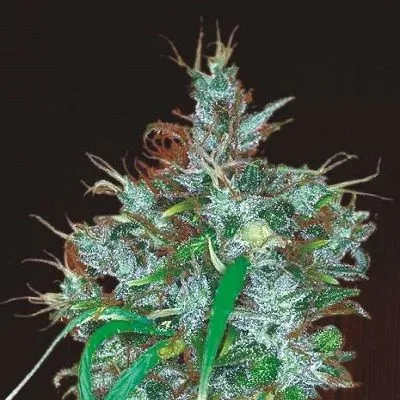
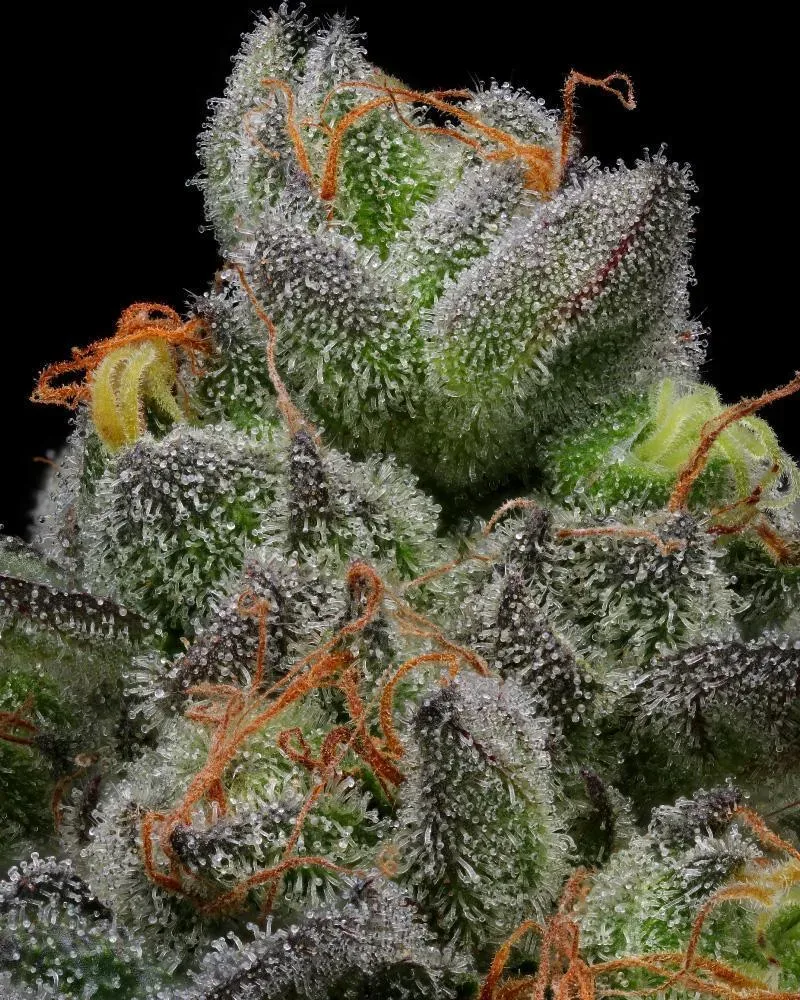
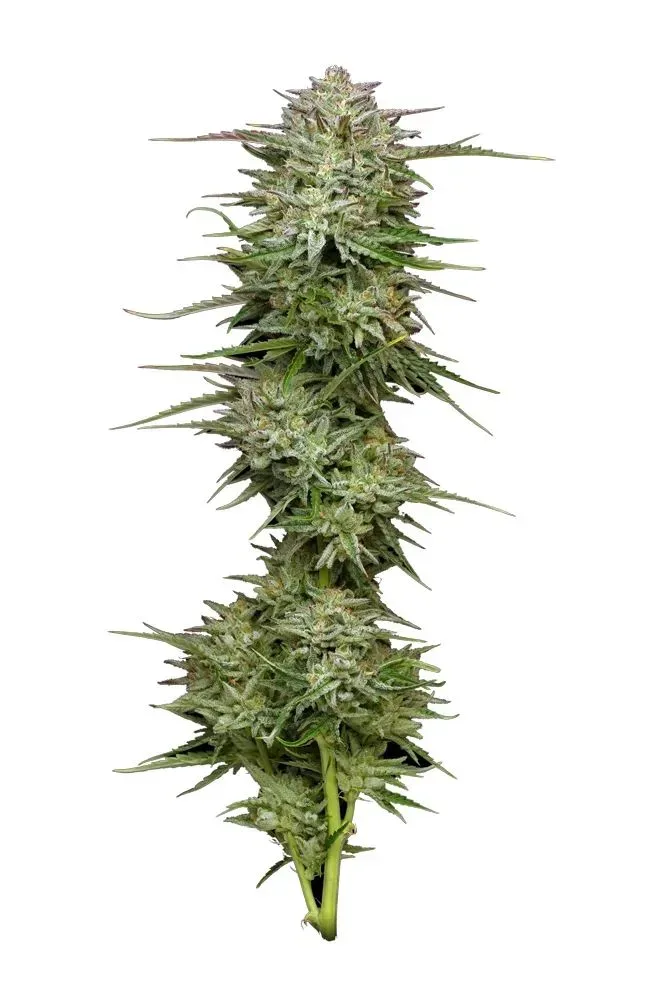
Top Strains for Hawaii
Season Timeline
Hawaii Grow Calendar
Get your Hawaii grow calendar emailed to you
Plus seasonal reminders for germination, transplant, and harvest dates. Four emails a year, perfectly timed for your zone.
Common Questions
Hawaii Outdoor Growing FAQ
Hawaii's climate is forgiving in some ways, brutal in others
Hawaii sits in USDA hardiness zone 12a (ranging 11a-13a across the state) with an average growing season of 364 days — from last frost around Jan 1 to first frost around Dec 31. Mediterranean conditions dominate California's prime growing regions — long, dry summers and mild winters.
The primary constraint for outdoor cannabis growers in Hawaii is late-season humidity. With 78% average summer humidity and 76 inches of annual rainfall, bud rot is a genuine threat for any strain flowering into October.
Late-season humidity and rainfall create severe bud rot risk. Prioritize mold resistance (4–5) and consider greenhouse protection for any photoperiod strain finishing after mid-September.
The 3 challenges specific to Hawaii growers
- Irrigation management: Mediterranean summers are essentially rainless from May through October in most of California. Established plants in large containers need 5–10 gallons of water daily at peak summer. Drip systems are the norm for serious outdoor growers.
- Powdery mildew in coastal zones: Marine layer humidity along the coast creates ideal conditions for powdery mildew, even without rain. Inland valleys are dramatically better for outdoor growing. Choose PM-resistant genetics if growing in coastal microclimates.
- Regional variation: California's climate varies enormously. The Emerald Triangle (Humboldt, Mendocino, Trinity) has a different climate profile than the Central Valley, which differs again from Southern California. Match your strain choice to your specific microclimate, not the state average.
When to start in Hawaii
The Hawaii outdoor season follows a predictable rhythm tied to frost dates:
- Germinate indoors: Around Jan 1 — 30 days before last frost. This gives seedlings time to establish before facing outdoor conditions.
- Transplant outdoors: Around Jan 8, one week after the average last frost passes. Wait for consistent overnight lows above 50°F.
- Vegetative growth: Plants grow vigorously from transplant through mid-July under long summer days (up to 13.2h at solstice).
- Flower trigger: Around July 21, declining day length naturally initiates flowering in photoperiod strains.
- Harvest window: Strain-dependent, but target completion by Dec 17 — 14 days before average first frost — to avoid late-season stress.
Outdoor vs greenhouse in Hawaii
A greenhouse gives Hawaii growers two major advantages: season extension and bud rot protection. Glazed structures allow you to control airflow during the critical late-flowering window, dramatically reducing mold pressure. If you're growing mold-sensitive genetics, or finishing photoperiods that push into October, greenhouse protection is worth the investment.
Legal status of home growing in Hawaii
Home growing laws vary significantly by state and change frequently. Before growing cannabis outdoors in Hawaii, verify the current regulations for your county. Many states that have legalized adult use cannabis still prohibit or limit home cultivation. Always grow within the law — check your state's official cannabis regulatory agency for current rules.
Managing mold in Hawaii
Botrytis cinerea (bud rot/grey mold) is the #1 killer of outdoor cannabis in humid states like Hawaii. It thrives when relative humidity exceeds 70% in the 50–75°F range — exactly the conditions Hawaii delivers in September and October. Once established inside a dense bud, it spreads rapidly and cannot be reversed.
Prevention is the only reliable strategy. Give plants maximum airflow by pruning interior foliage and removing lower branches. Avoid training techniques that create dense, impenetrable canopies. Water in the morning so foliage dries before sunset. At the first sign of gray, fuzzy patches inside buds, harvest immediately — waiting costs the whole plant.